Shabbir Ali Mallah
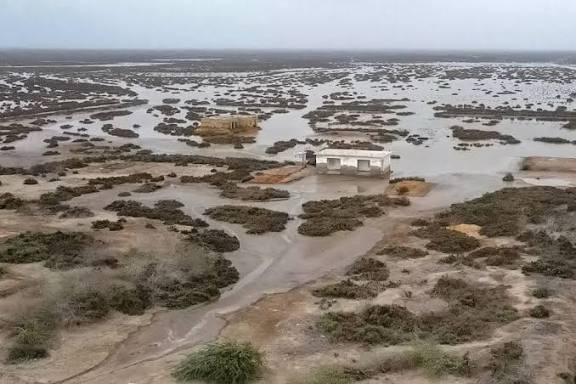
The Indus Delta, once a thriving ecological and cultural landscape, is now undergoing rapid degradation due to reduced freshwater flow, rising sea levels, industrial pollution, and policy neglect. This thesis investigates the multifaceted causes behind the delta’s collapse, its impact on local communities and biodiversity, and the broader implications for Sindh’s cultural memory and environmental justice. Drawing on recent data, field reports, and literary reflections, the study proposes a framework for restoration rooted in hydrological equity, community participation, and cultural resilience.
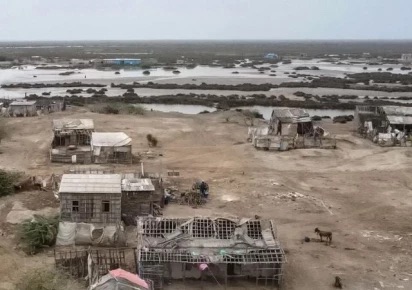
The Indus Delta, located at the southern tip of Sindh province in Pakistan, represents one of the largest arid zone deltas in the world. Historically nourished by the mighty Indus River, the delta spans over 600,000 hectares and supports a rich tapestry of mangrove forests, estuarine ecosystems, and fishing communities. However, over the past five decades, the delta has shrunk dramatically—both in physical extent and ecological vitality. This thesis seeks to understand the drivers of this collapse and to explore its consequences through an interdisciplinary lens.

The Indus River has been the lifeline of Sindh’s civilization for millennia. The delta formed through centuries of sediment deposition and freshwater discharge. However, post-1960 developments—including the Indus Waters Treaty and the construction of upstream dams such as Tarbela and Mangla—have drastically reduced downstream flow.
• Freshwater Flow Reduction:
According to Pakistan’s Water Accord (1991), a minimum of 10 million acre-feet (MAF) of water is required annually to sustain the delta. In reality, less than 1 MAF reaches the delta most years.
• Sediment Starvation:
The delta historically received 400 million tons of sediment annually. Today, it receives less than 100 million tons, leading to coastal erosion and land subsidence.
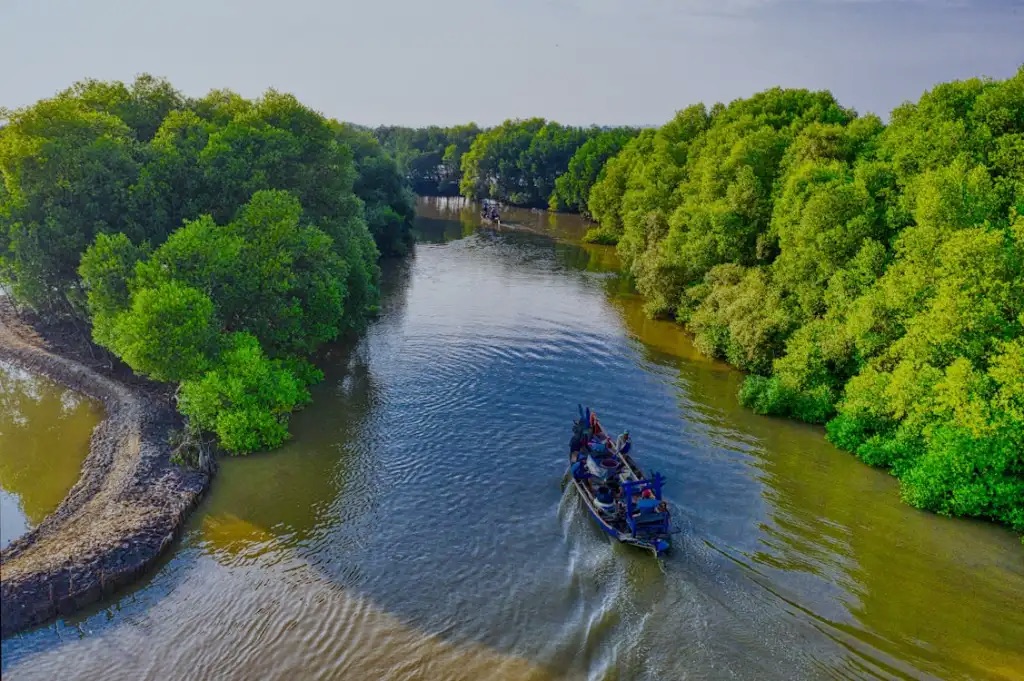
Over 90% of mangrove cover has been lost since the 1980s.
• Satellite imagery reveals a yearly loss of 1.5 inches of mangrove coastline.
Mangroves act as natural buffers against storm surges and saline intrusion. The delta once hosted eight species of mangroves; now only one—Avicennia marina—remains dominant.
Rising sea levels and reduced river discharge have allowed seawater to penetrate deep inland.
• 263,000 hectares of agricultural land have become saline and unproductive.
• Villages such as Keti Bandar and Kharo Chan face chronic flooding and displacement.
The delta was once home to over 200 species of fish and crustaceans. Today, many are endangered or locally extinct.
• Fish catch has declined by 60% over the past two decades.
• Dolphins, turtles, and migratory birds have disappeared from key estuarine zones.
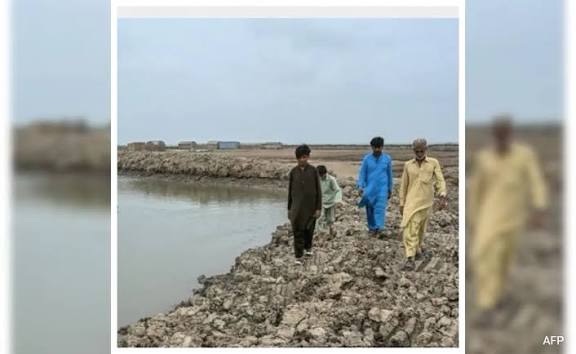
Thousands of families have been forced to migrate due to land loss and livelihood collapse.
• Kharo Chan’s population has dropped from 26,000 to under 12,000 in ten years.
• Many displaced families have relocated to Karachi’s informal settlements.
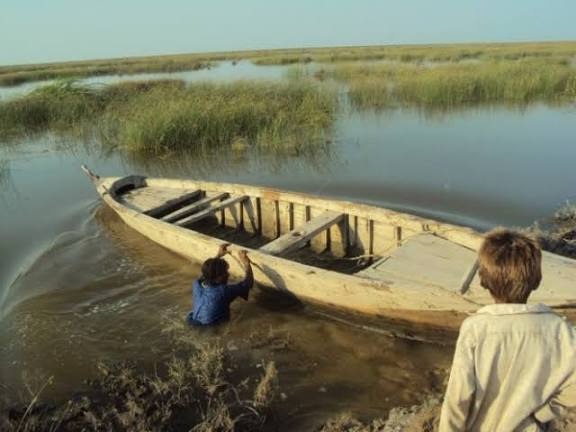
Fishing, farming, and salt harvesting—once the backbone of the delta economy—are in decline.
• Over 70% of delta households now live below the poverty line.
• Women and children are disproportionately affected due to loss of income and health risks.
Despite constitutional provisions (Article 158) guaranteeing Sindh’s water rights, federal water allocations remain skewed.
• The Kotri downstream flow is often withheld during critical seasons.
• Environmental impact assessments are rarely enforced for upstream infrastructure.
While international donors have pledged support, implementation remains fragmented.
• Estimated annual restoration cost: PKR 5 billion
• Actual allocated budget: PKR 1.2 billion, often underutilized
Recommendations
Enforce minimum downstream flow of 10 MAF annually
• Renegotiate water-sharing frameworks with ecological benchmarks
Involve local fisherfolk and farmers in mangrove replantation
• Establish community monitoring systems for water quality and biodiversity
The Indus Delta stands at a critical juncture. Its collapse is a warning—not just for Sindh, but for all riverine civilizations facing climate stress and policy neglect. Restoration demands more than engineering—it requires empathy, equity, and imagination. By centering local voices, honoring cultural memory, and enforcing ecological rights, the delta can be revived—not as a relic, but as a living testament to Sindh’s resilience.
 Indusdaily.com
Leave a comment